
KPV
Also known as: Lys-Pro-Val, α-MSH C-terminal tripeptide
KPV (Lys-Pro-Val) is the C-terminal tripeptide of α-melanocyte-stimulating hormone with documented anti-inflammatory properties. Research shows intestinal mucosa protection and NF-κB pathway inhibition in preclinical models.
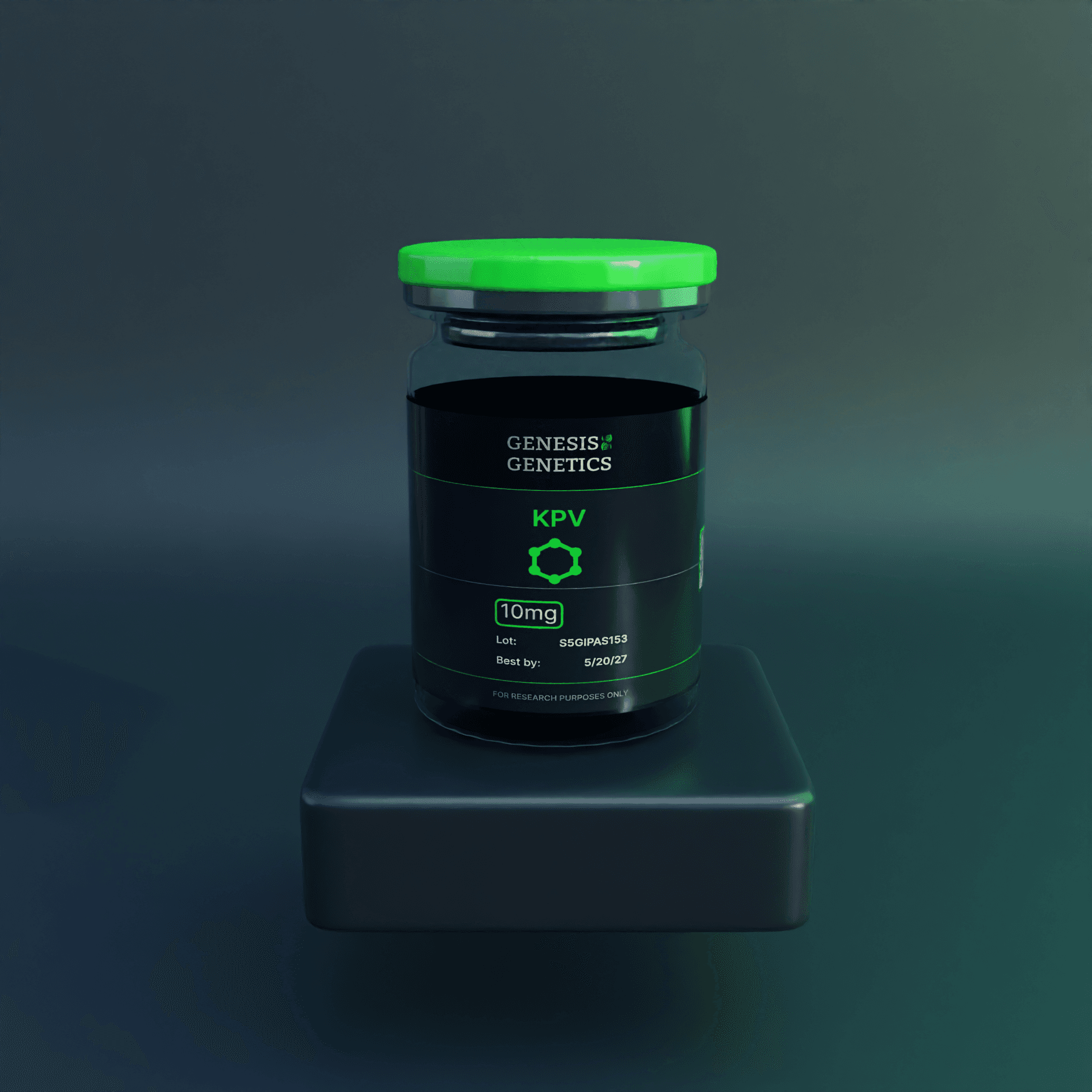
Structure
Lys-Pro-Val (C-terminal tripeptide of α-MSH)
Molecular Weight
341.4 Da
Receptors
MC1R, MC3R, MC4R (melanocortin receptors)
Key Pathway
NF-κB inhibition, cAMP elevation
Gut Stability
Resistant to GI enzymatic degradation
Research Use Only
Not for human or veterinary use
Overview
KPV (Lys-Pro-Val) is the C-terminal tripeptide of α-melanocyte-stimulating hormone (α-MSH), a peptide hormone derived from proopiomelanocortin (POMC). While α-MSH itself is an endogenous 13-amino-acid peptide with well-characterized roles in pigmentation, inflammation, and energy homeostasis, research has identified the C-terminal KPV sequence as the minimal fragment responsible for α-MSH's anti-inflammatory activity. This specificity has made KPV a useful research tool for studying melanocortin anti-inflammatory pathways independently of pigmentation effects.
The most extensively studied application of KPV is in models of intestinal inflammation. Research groups, particularly those studying inflammatory bowel disease (IBD) models, have documented KPV's ability to protect colonic epithelium and reduce inflammatory parameters in murine colitis models including DSS-induced and TNBS-induced colitis. Studies have shown that KPV reduces neutrophil infiltration, decreases production of pro-inflammatory cytokines (TNF-α, IL-6, IL-1β), and attenuates activation of NF-κB — a central transcription factor in inflammatory signaling.
A notable pharmacokinetic advantage of KPV for gut research is its stability in the gastrointestinal environment and its apparent ability to be absorbed intact through intestinal epithelial cells in some experimental systems. Research has demonstrated that KPV exerts direct anti-inflammatory effects on intestinal epithelial cells in addition to systemic effects, making it relevant to local mucosal biology studies.
KPV is available for laboratory and research use only. Investigators in immunology, gastroenterology research, and melanocortin biology will find extensive primary literature on KPV's receptor interactions and therapeutic potential in inflammatory models.
Mechanism of Action
KPV's anti-inflammatory effects are mediated primarily through melanocortin receptor binding, particularly MC1R and MC3R subtypes expressed on immune cells and gut epithelial cells. Receptor activation couples to Gs proteins that elevate intracellular cAMP, which in turn inhibits NF-κB nuclear translocation and reduces transcription of pro-inflammatory cytokine genes. Research has also identified cAMP-independent effects involving direct interference with IκB kinase (IKK) complex activity.
In gut epithelial research, KPV has been shown to downregulate expression of ICAM-1 and other adhesion molecules on intestinal cells, reducing leukocyte recruitment to inflammatory sites. The compound also appears to promote tight junction integrity, with some evidence of claudin and occludin expression upregulation that could contribute to barrier protection in colitis models.
Research Applications
- Inflammatory bowel disease animal models (DSS, TNBS colitis)
- NF-κB pathway inhibition and anti-inflammatory signaling
- Melanocortin receptor pharmacology (MC1R, MC3R)
- Intestinal epithelial barrier integrity research
- Cytokine regulation (TNF-α, IL-6, IL-1β) in gut models
- α-MSH fragment structure-activity relationship studies
Research Use Only. KPV is available for laboratory and research applications only. It is not approved by the FDA or any equivalent regulatory authority for human or veterinary therapeutic use. All information on this page is derived from published preclinical literature and is presented for informational and research context purposes only. Investigators should consult current primary literature and comply with applicable regulations before initiating research.
Order KPV for Research →Peptide Family
Neuropeptides & CNS Research Compounds
BDNF · Melanocortin Receptors · Neuroprotection · Neuroinflammation
All Compound Research Overviews