Tissue Repair Peptides
Structural Protein Synthesis · Angiogenesis · Wound Healing
The tissue repair peptide family groups research compounds that appear with high frequency in preclinical literature concerning wound closure, angiogenesis, tendon-to-bone repair, and extracellular matrix (ECM) remodeling. The three compounds in this family at Genesis Genetics — BPC-157, TB-500, and GHK-Cu — have distinct molecular origins and mechanisms, but their overlapping research contexts make them natural companions in this compound class.
Compounds in This Family
Overview
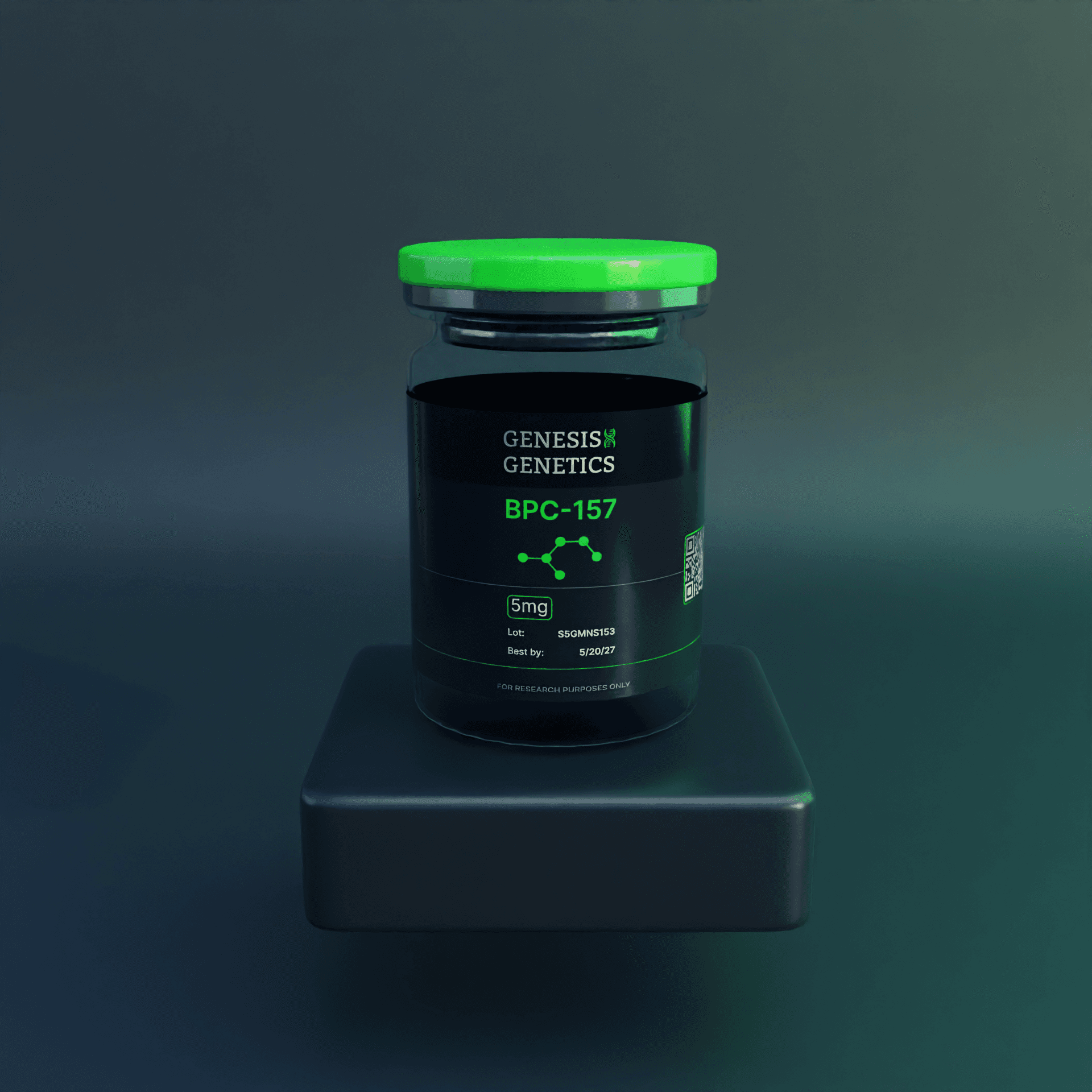
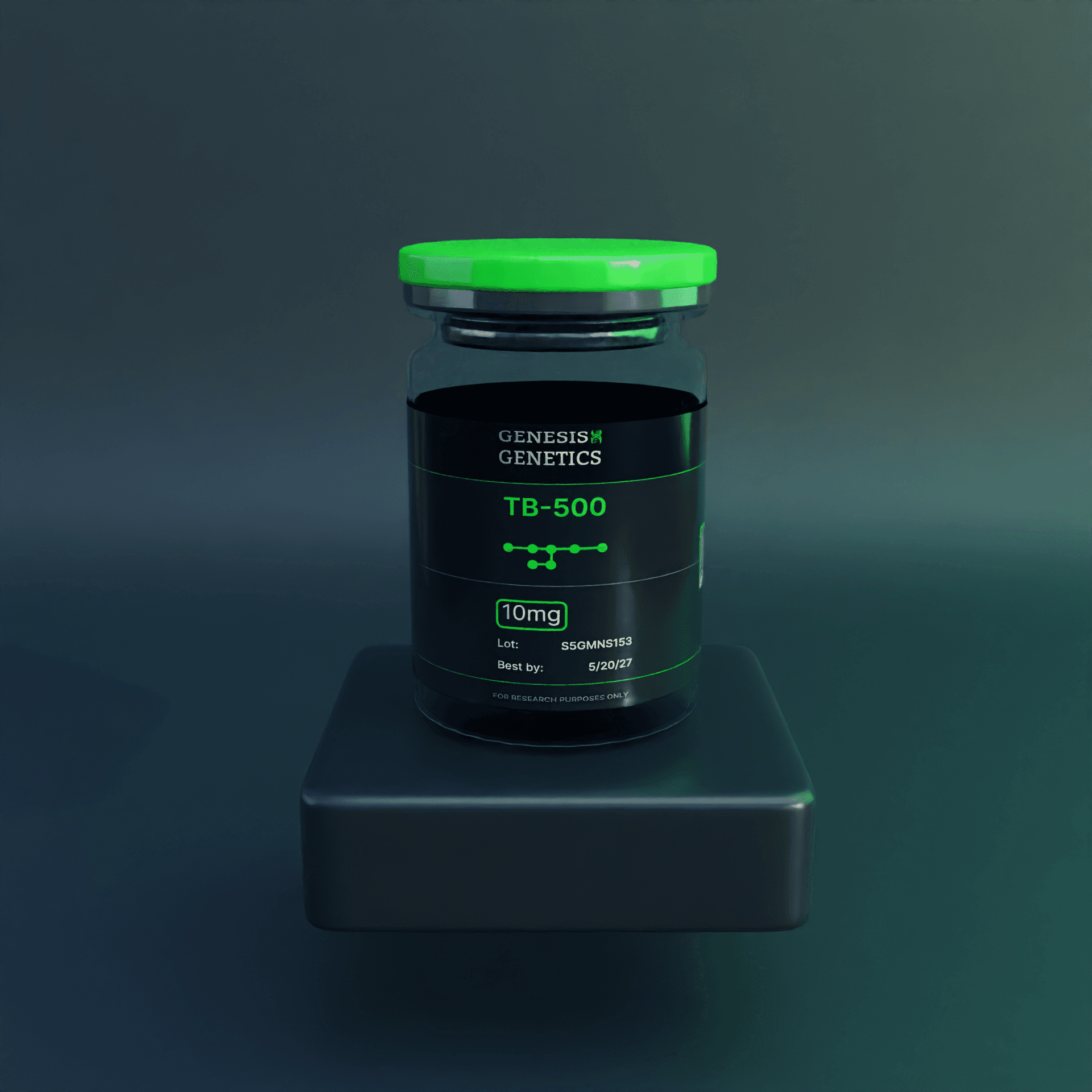
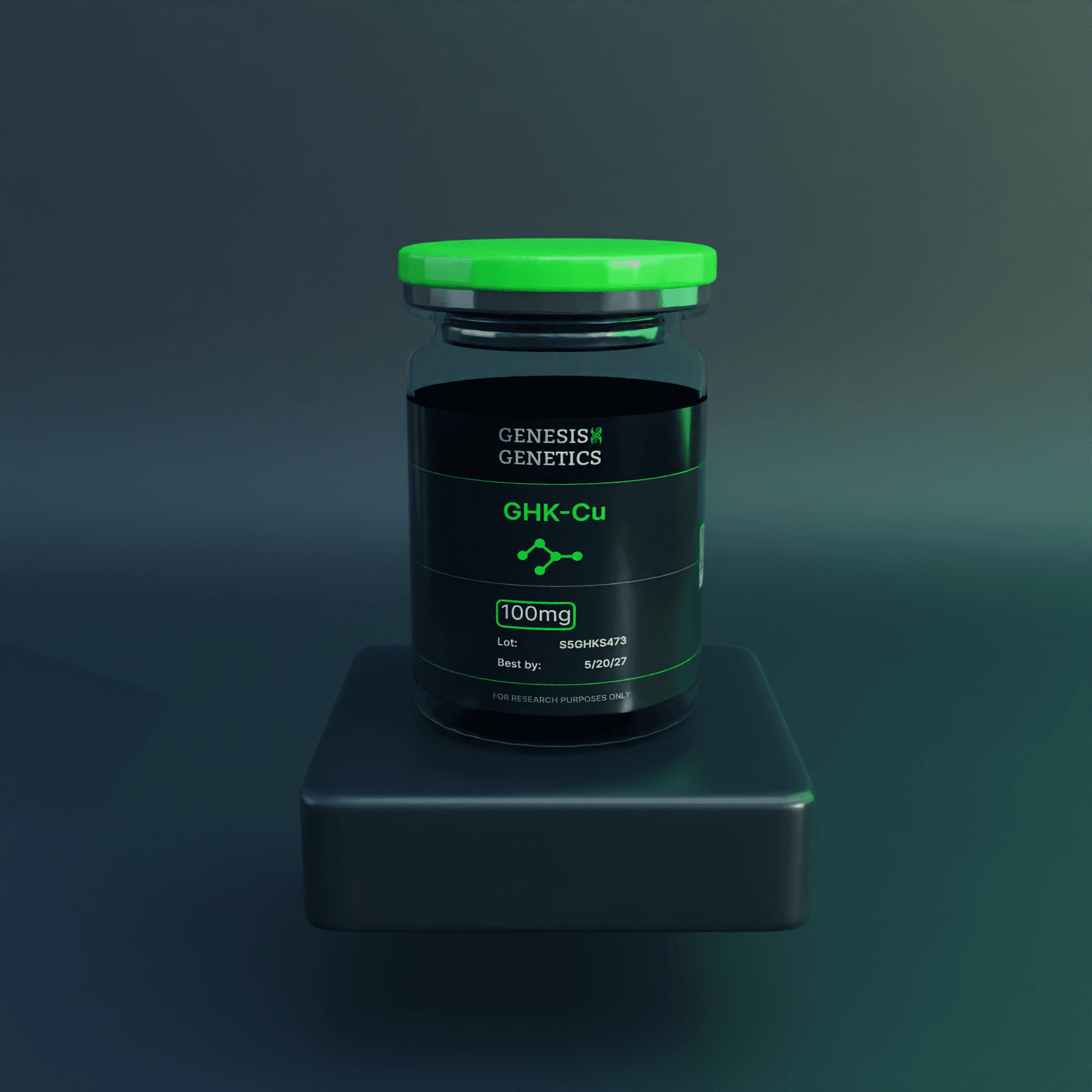
BPC-157 is a 15-amino-acid sequence derived from human gastric juice that has been studied for gastrointestinal mucosal protection, tendon healing, and NO-system-mediated angiogenesis. TB-500 (Thymosin Beta-4) is a 43-amino-acid peptide that regulates actin dynamics and has been studied in cardiac, corneal, and tendon repair models. GHK-Cu is a copper-binding tripeptide naturally present in human plasma that promotes collagen and elastin synthesis and activates superoxide dismutase.
Researchers in tissue biology, wound healing models, and regenerative medicine research will find that these compounds address complementary nodes of the repair cascade — BPC-157 targeting the early angiogenic and inflammatory phase, TB-500 addressing cellular migration and ECM organization, and GHK-Cu driving structural protein synthesis in the remodeling phase. This makes them frequently co-studied in experimental designs requiring comprehensive coverage of the wound healing response.
Research Themes
Angiogenesis and Vascular Repair
Both BPC-157 and TB-500 have documented pro-angiogenic effects in preclinical models. BPC-157 upregulates VEGFR2 phosphorylation and promotes endothelial tube formation through NO-cGMP pathway activation. TB-500's actin-sequestering function promotes endothelial cell migration via ILK-Akt signaling. Researchers studying blood vessel formation, ischemic tissue recovery, or endothelial biology will find these compounds valuable experimental tools.
Extracellular Matrix Synthesis
GHK-Cu is the principal ECM-targeting compound in this family, with extensive literature demonstrating upregulation of collagen I, collagen III, glycosaminoglycans, and lysyl oxidase activity in fibroblast cultures and animal wound models. Its microarray studies showing effects on over 4,000 genes — with prominent ECM synthesis pathways — make it a comprehensive tool for structural tissue biology research.
Gastrointestinal and Mucosal Research
BPC-157's derivation from gastric juice protein reflects its core research applications in GI biology. Studies in rodent models of NSAID-induced gastric lesions, DSS colitis, and intestinal anastomosis repair have consistently documented mucosal protective effects. Its resistance to gastric acid degradation makes it a useful tool for studying intestinal epithelial restitution without the confound of peptide destruction in the gut lumen.
Compound Research Overviews
Frequently Asked Questions
Are tissue repair peptides approved for human use?+
No. BPC-157, TB-500, and GHK-Cu are all sold for laboratory and research purposes only and are not approved by the FDA or any equivalent regulatory body for human or veterinary therapeutic use. All research involving these compounds should be conducted in appropriate preclinical model systems.
How do BPC-157 and TB-500 differ mechanistically?+
BPC-157 primarily acts through the nitric oxide system and FAK-paxillin signaling, with particularly strong effects in gastrointestinal tissue. TB-500 primarily acts through actin sequestration and ILK-Akt signaling, with a broader range of tissues studied including cardiac, skeletal muscle, and corneal models. Researchers often study both in musculoskeletal repair contexts despite these mechanistic differences.
What makes GHK-Cu different from the other tissue repair peptides?+
GHK-Cu is a small tripeptide that acts primarily as a metal chelator and direct stimulator of structural protein synthesis. Its copper component is functionally important — it participates in redox chemistry and activates lysyl oxidase, which cross-links collagen and elastin fibers. BPC-157 and TB-500 are primarily signaling molecules affecting cell behavior, while GHK-Cu is more directly involved in the biochemistry of matrix construction.
Research Use Only. All compounds in the Tissue Repair Peptides family are sold for laboratory and research applications only and are not approved for human or veterinary therapeutic use. Information presented on this page is derived from published preclinical and clinical research literature and is provided for educational and scientific context only.
Other Peptide Families